The Designer’s Guide to Choosing Limestone
December 8, 2025
How to Select the Right Limestone Tile for Every Project
Natural stone continues to shape the way designers bring depth, tactility, and authenticity into modern environments. Among the most compelling choices today is limestone tile, a material that bridges rustic warmth with refined sophistication. Whether you’re designing a serene spa bath or a statement-making entryway, limestone tile offers a balance of subtlety and presence that few materials can match.
This guide explores how to choose the right limestone tile for your vision, what designers should consider when evaluating color and finish, and why this storied stone continues to play a defining role in contemporary design. Throughout, you'll also discover why limestone tile is one of the most adaptable materials for interiors that seek longevity, softness, and a sense of grounded natural beauty.
Understanding the Appeal of Limestone in Modern Design
One of the reasons designers gravitate toward limestone tile is its ability to bring understated character into a space without overwhelming it. Unlike stones with bold veining or dramatic movement, limestone tile creates a foundation of quiet elegance. Its fine textures, subtle tonal shifts, and soft edges lend themselves to minimalist, transitional, and organic-modern aesthetics alike.
Today's designers are especially drawn to the authenticity of limestone tile, which pairs seamlessly with wood, plaster, metal, and other natural materials. At the same time, limestone tile offers a timeless quality that helps spaces feel grounded rather than trend-driven.
Warm vs. Cool Tones: Reading the Limestone Palette
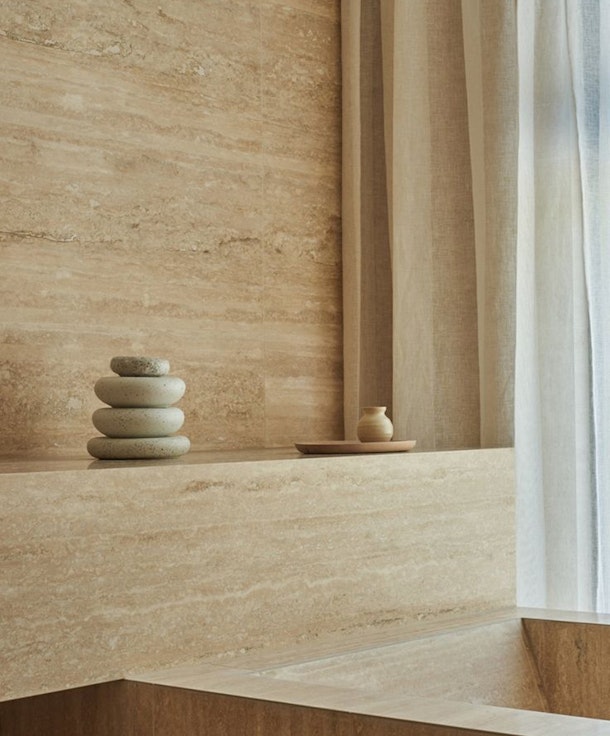
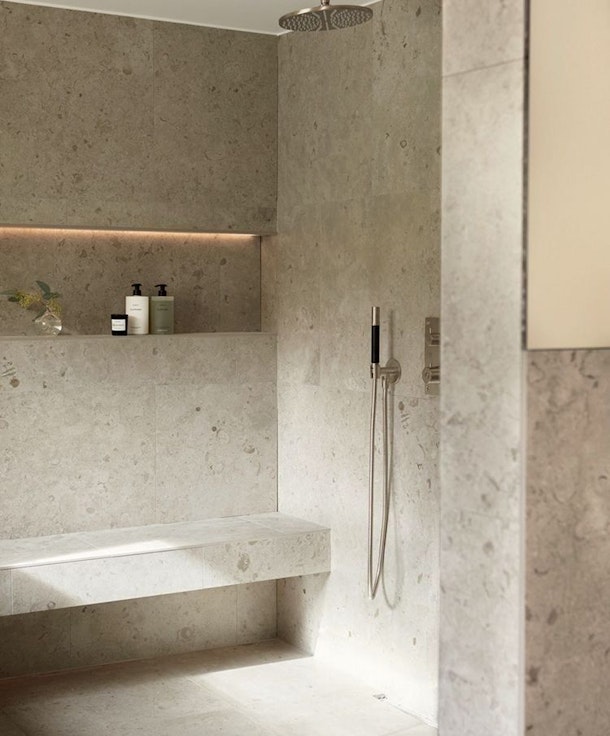
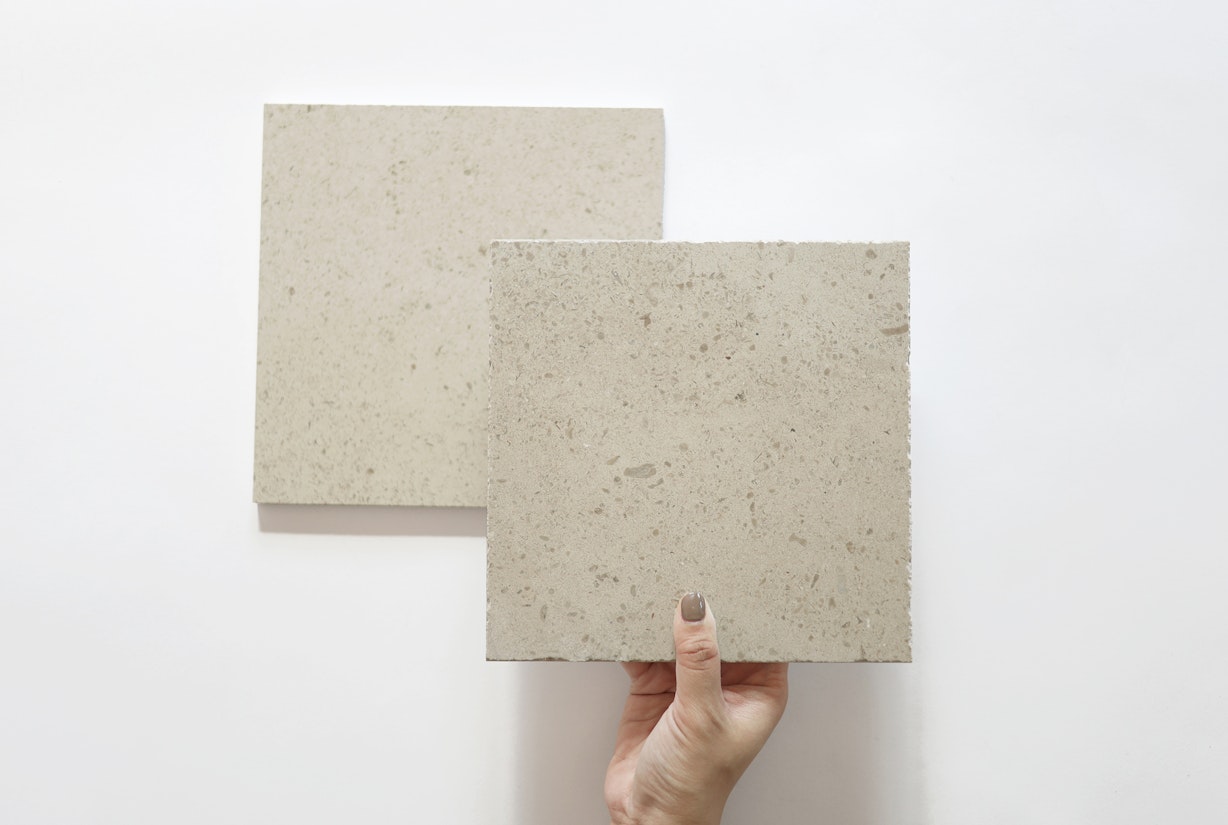
Color selection is one of the most meaningful decisions when specifying limestone tile. Warm-toned limestone tile tends to introduce comfort and approachability through sand, beige, taupe, and honey undertones. These are ideal for spaces where you want softness and subtle warmth.
Cool-toned limestone tile, on the other hand, leans into greys, silvers, and diffused neutrals. These tones work exceptionally well in crisp, architectural environments or interiors designed around modern monochromatic palettes. Because limestone tile sits naturally close to these muted hues, it creates a cohesive visual experience rather than a contrast-heavy one.
How Finish Impacts the Final Look
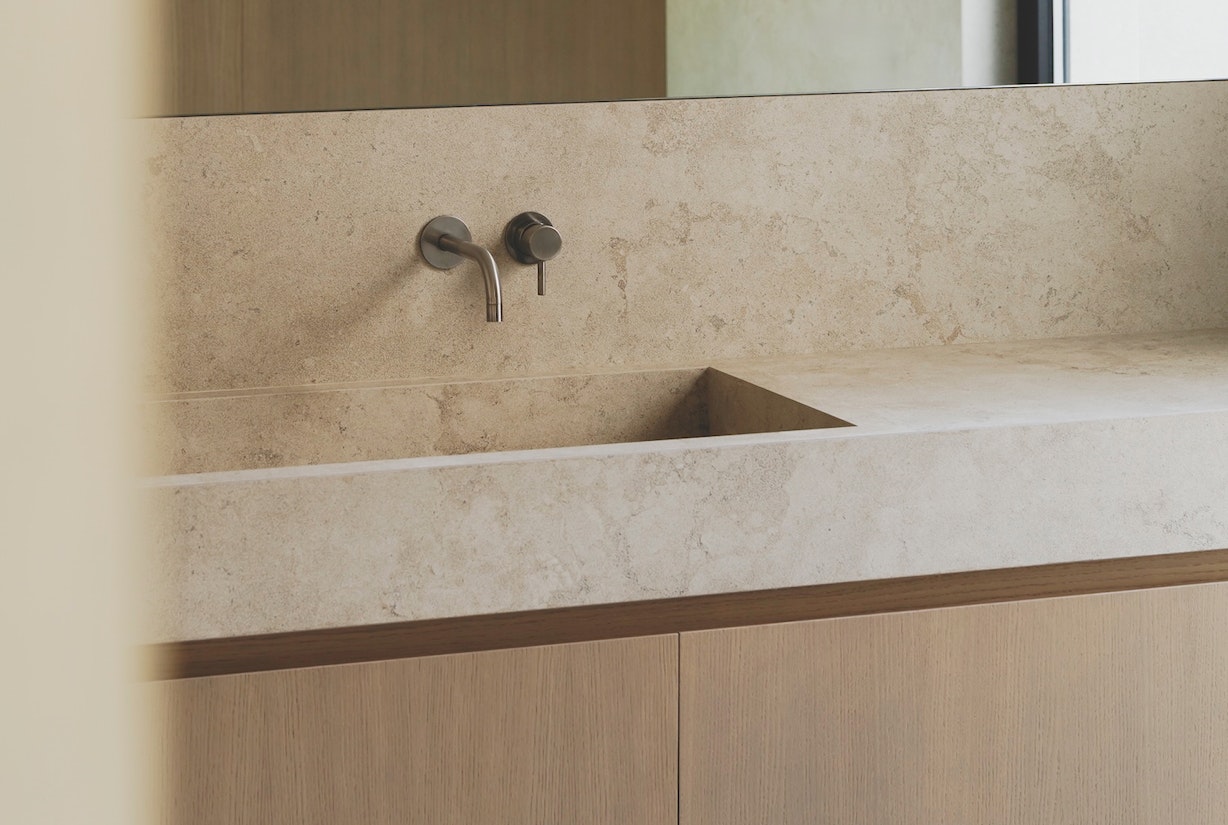
Finish selection plays an essential role in the performance and visual expression of limestone tile. Brushed or textured finishes add dimension and soften the stone’s appearance. These tactile surfaces work especially well in spaces where designers want to emphasize craftsmanship or create subtle shadow movement.
More refined finishes, such as honed surfaces, deliver a clean, modern feel. They help limestone tile read as sleek and architectural while still showcasing the stone’s natural character. The right finish elevates the stone and ensures it enhances the atmosphere of the space.
Pairing Limestone with Other Materials
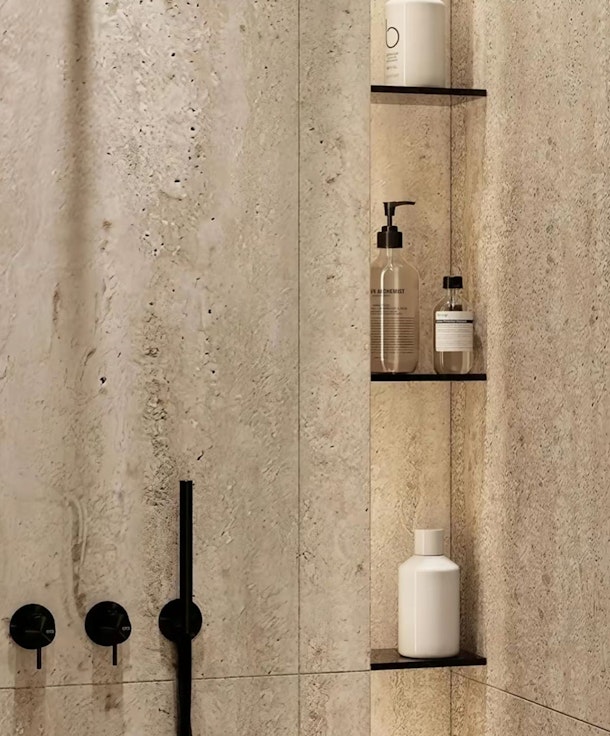
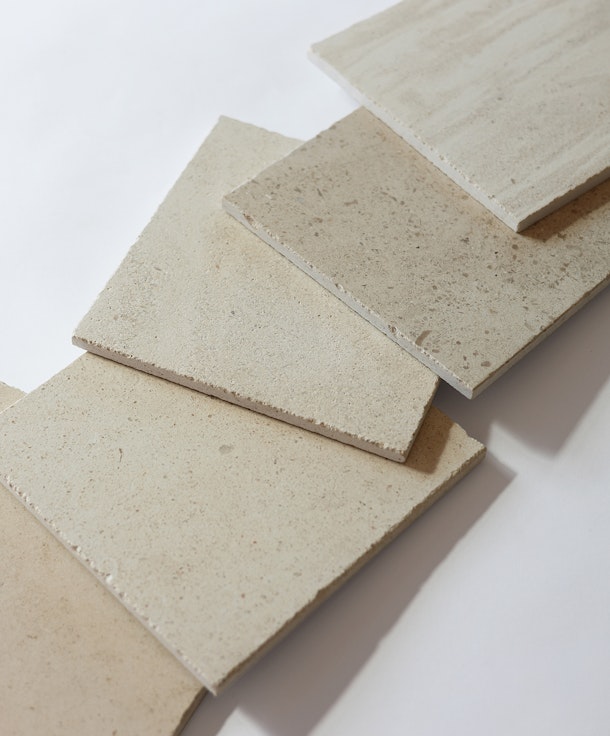
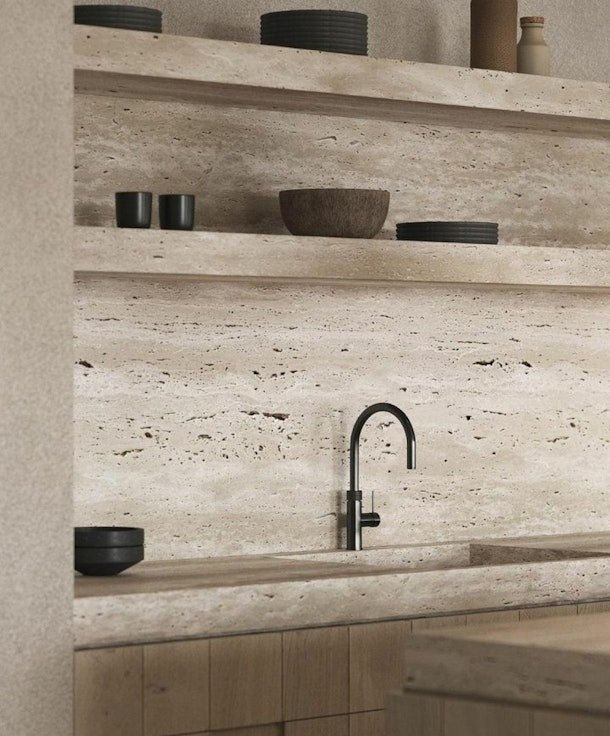
One of the benefits of limestone tile is how effortlessly it pairs with a wide range of materials. Warm woods, brushed metals, plaster finishes, handmade ceramics, and natural fabrics all complement limestone beautifully. It also balances high-gloss materials, providing an organic counterpoint that adds warmth and depth.
This versatility allows limestone tile to work across multiple styles—rustic, contemporary, minimal, or transitional—without feeling out of place.
The Functional Benefits of Limestone
Beyond its aesthetic strengths, limestone tile offers functional advantages that make it ideal for both residential and commercial use. With proper care and sealing, it performs exceptionally well in high-traffic settings. Over time, limestone tile develops a subtle patina that enhances rather than detracts from its character.
Its durability, natural density, and long-term performance make limestone tile a smart material for designers who want beauty paired with longevity.
Creating Cohesion Throughout a Project
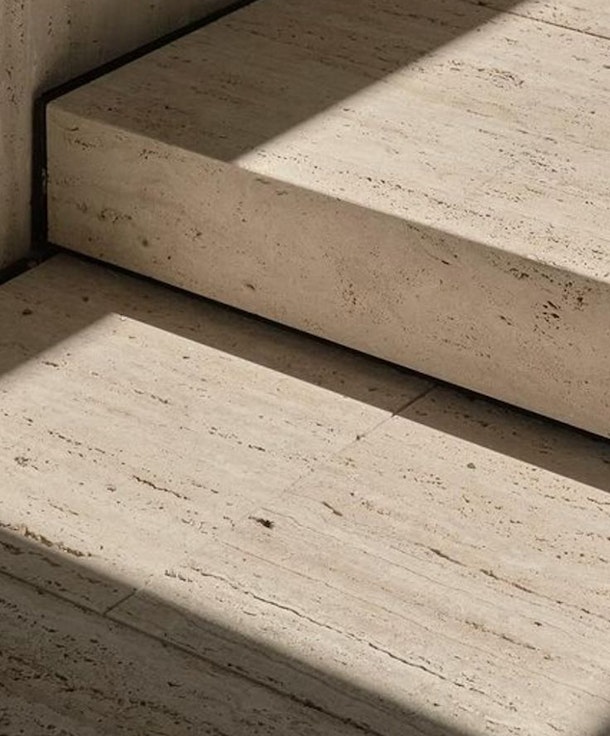
For designers managing large-scale or multi-room projects, using limestone tile helps establish visual continuity. The stone’s soft presence ties spaces together without overwhelming them. Whether used across entire floors, accent walls, or architectural details, limestone tile creates an environment that feels intentionally curated and timeless.
This sense of cohesion is one of the reasons limestone tile remains a consistent favorite among design professionals seeking a unified aesthetic across complex projects.
Our Limestone Collection
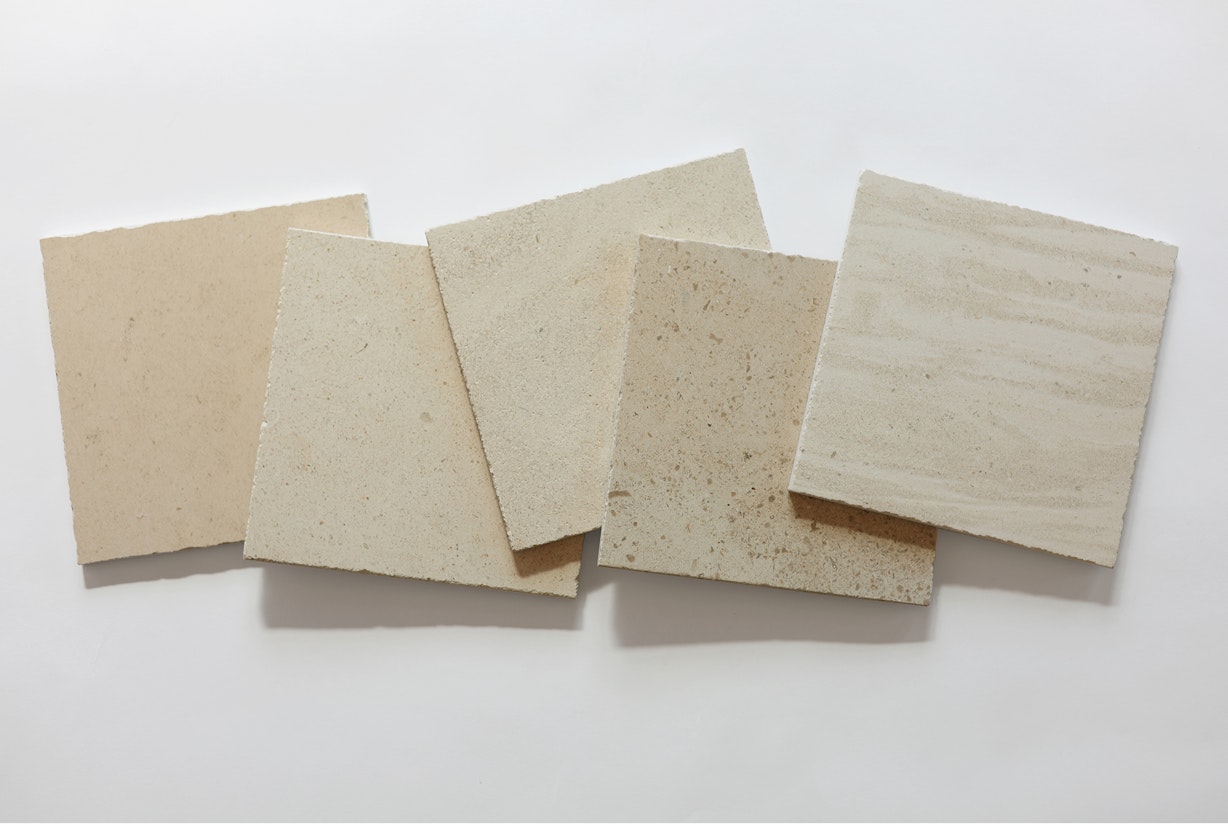
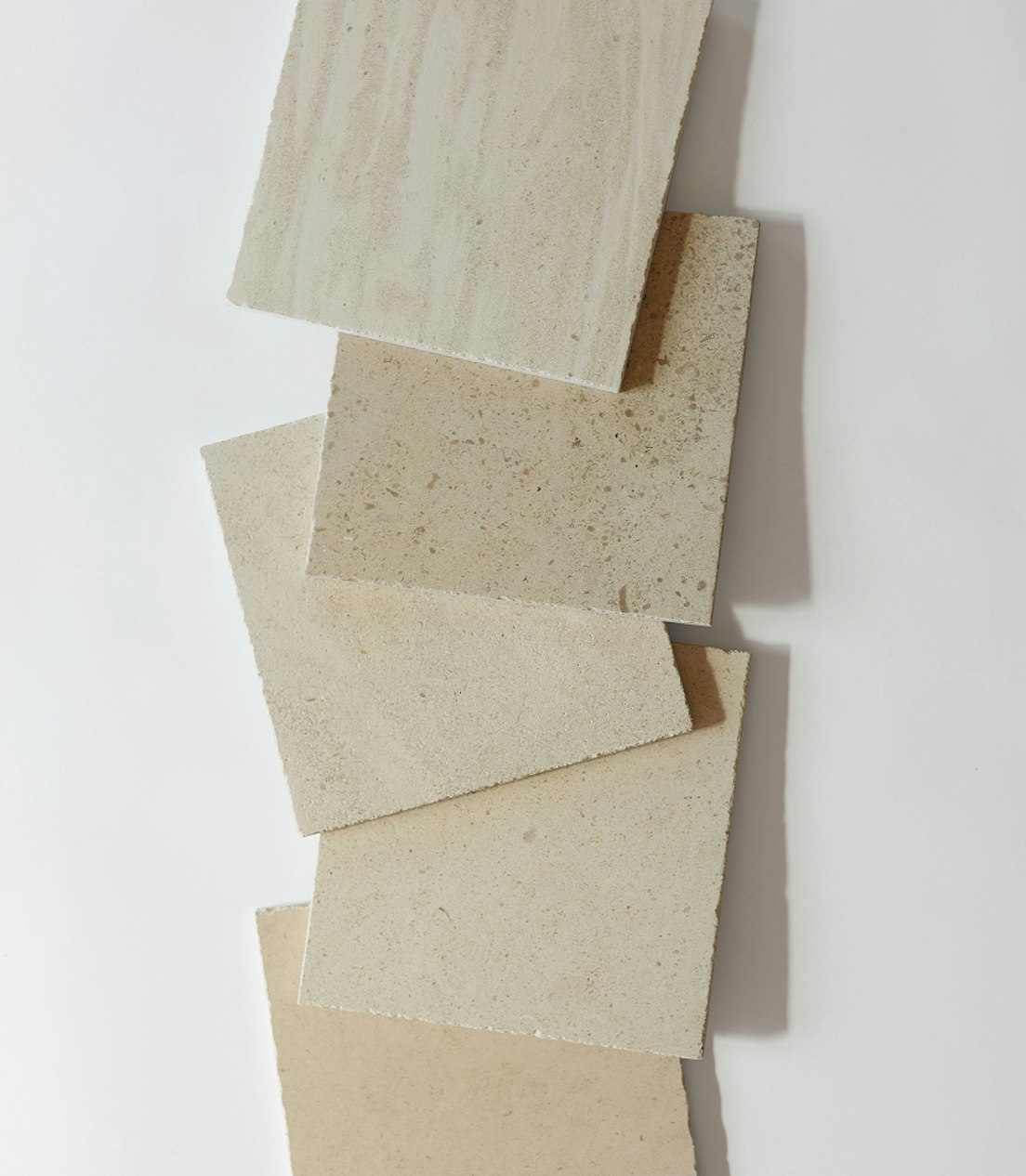
Our new Terranova collection brings this philosophy to life. With five curated neutrals and two refined finishes — including our signature Brushed + Handmade Edges — Terranova elevates limestone’s natural character with modern craftsmanship. It’s a timeless, versatile foundation for designers seeking softness, depth, and authentic materiality.
Let’s Be Friends
See our latest collections come to life, discover trending styles, and get exclusive sneak peeks.
Follow Us